When a vest may be practical
A vest can be a simple outer layer over existing clothing. This may be useful for visitors or teams whose requirements do not call for a full jacket. Check fit over the normal uniform, fastening and any needed pockets. A vest’s suitability still depends on the exact product and the site’s documented requirements.
When to consider a jacket
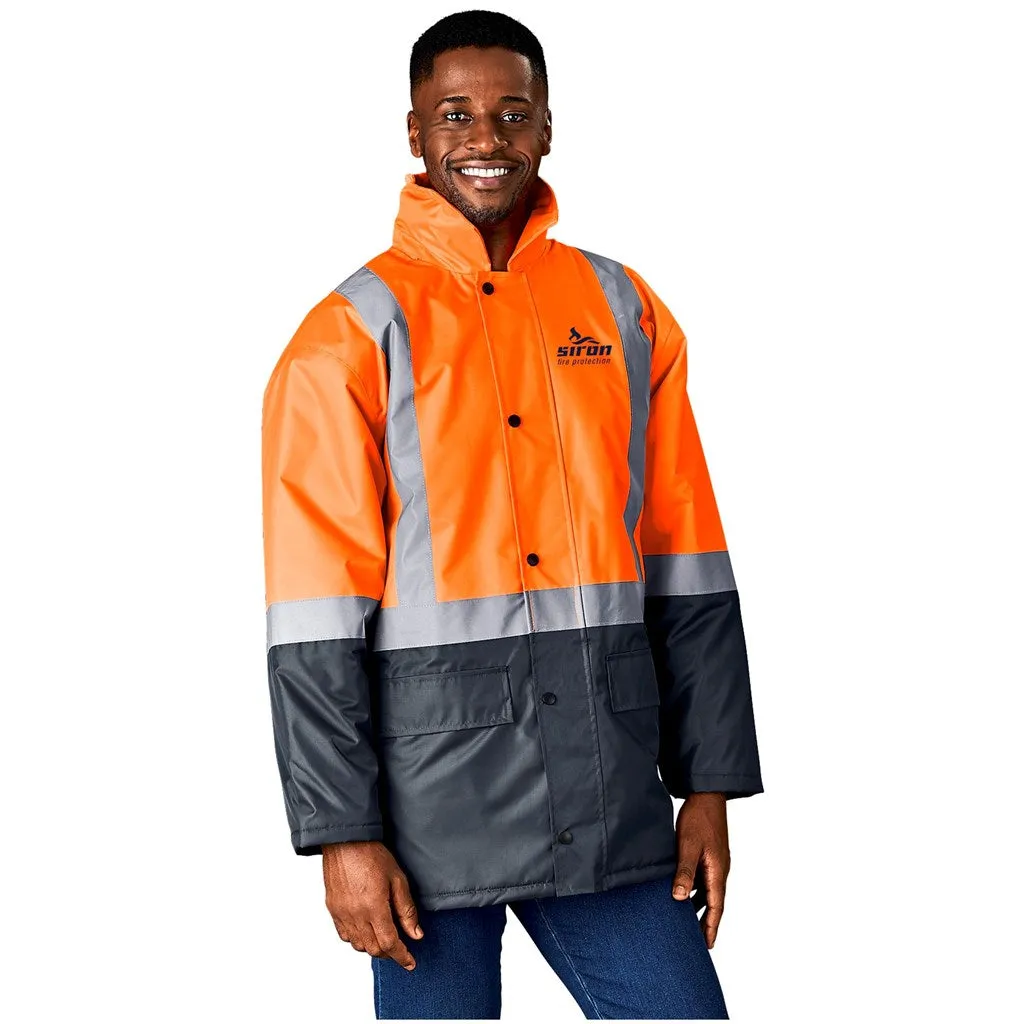
A jacket may be chosen for an integrated workwear layer or for specific weather-related features. Read the listing carefully: reflective detailing does not automatically make a jacket insulated or waterproof. Compare the material and construction against the role. Consider how the jacket feels when moving and when worn over other clothing.
Sometimes the programme needs both
A team can work through different conditions or have staff in different roles. The right solution may be a vest for one use and a jacket for another. Check that the outermost garment provides the visibility arrangement required for the task. An outer layer that hides the selected vest can change the practical result.
Build a role-based quote
Provide separate lines for vests and jackets, with quantities and sizes for each group. Include colour and branding requirements. Explain any site approval process or missing product information that must be resolved. Review the final garment combination before approval rather than deciding only from the difference in unit price.
Explore reflective jackets or send your requirements for a bulk quotation.


