
Overalls & Conti Suits
Trade Polycotton Conti Suit - Reflective Arms & Legs - Yellow Tape
R 239,47 incl. VAT
YellowGet a quote

Prepare a clear, site-specific clothing brief for mining operations, contractors and maintenance teams.
Mining workwear selection should begin with the written requirements for the particular operation. Surface facilities, workshops and other working areas can have different conditions. A product name containing “mining” does not establish that a garment meets every mine’s specifications. Obtain the applicable requirements from the responsible site team, then compare them with documented product information. If a special protective property is required, request evidence for the exact garment before including it in an approved order.
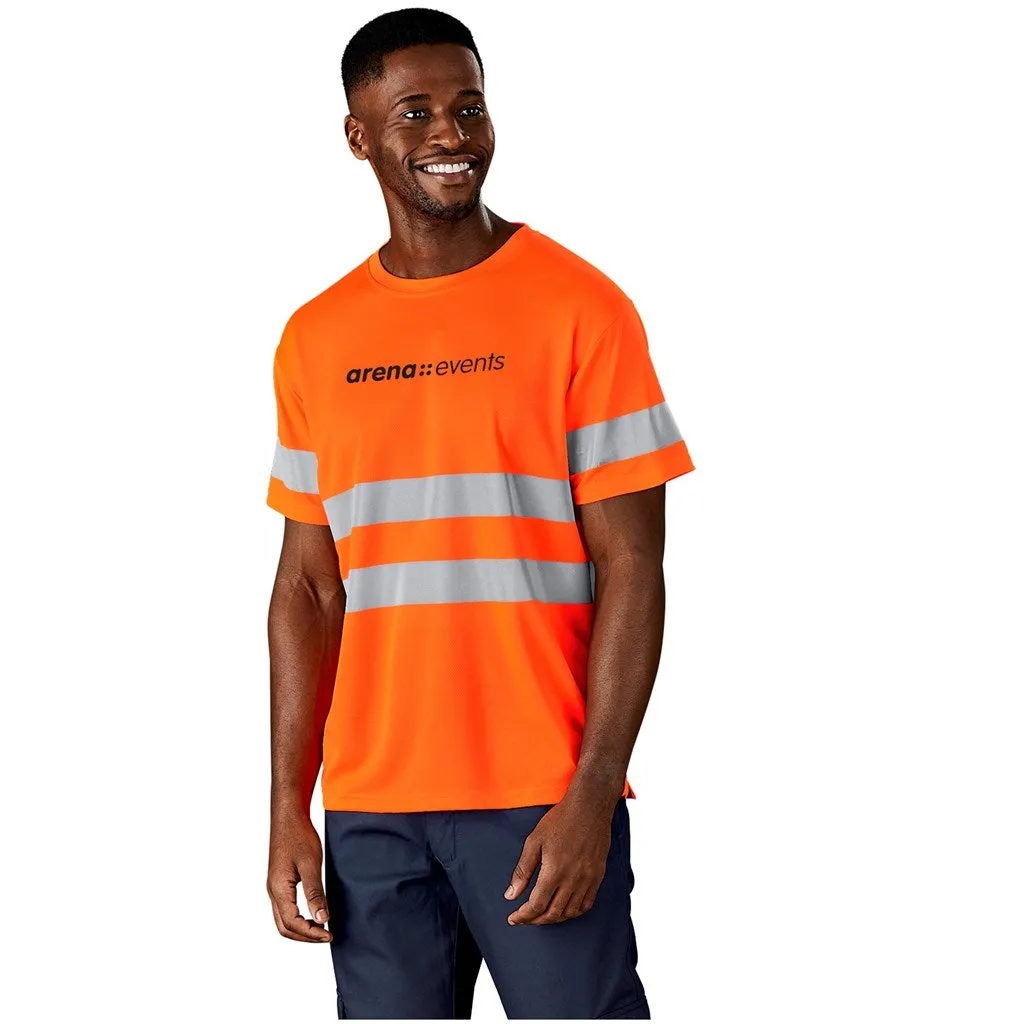
A maintenance worker may spend a shift reaching, crouching and working around equipment, while a driver or supervisor may spend more time seated. Consider how the garment fits in those positions and how it works with other required equipment. Conti suits, reflective shirts and trousers provide different starting points for a workwear programme. Check the closure, pockets and sleeve arrangement against the task rather than choosing only by colour or overall appearance.
Dust and repeated use affect how workwear looks and performs over time. Plan a system for checking garment condition and replacing worn items. The manufacturer’s care label should guide washing and drying; an unsuitable cleaning method can damage fabric or reflective detail. Ask whether your intended laundry process is compatible with the selected clothing. Build replacement requirements into procurement planning so damaged garments can be withdrawn without leaving workers without a suitable alternative.
For multiple crews, use one approved order sheet listing product name, size, quantity and any confirmed branding. Record the current product specification and confirm replacements against it when reordering. Similar-looking garments from different suppliers may have different materials, fit or detailing. A size sample or documented sizing information can help resolve uncertainty before a large allocation. Where a product changes, route the change back through the site’s normal approval process.
R 239,47 incl. VAT

R 279,84 incl. VAT

R 182,69 incl. VAT
A useful quotation starts with a clear garment list. Add a separate line for each product, then give the quantities, required sizes and preferred colour. Explain any site-specific requirements and identify the person who will approve the selection. If the order includes company branding, upload the logo and indicate its intended position. Include the delivery province, receiving location and target date so timing and delivery charges can be considered together. An enquiry does not reserve stock or confirm an order; the final product details, price and delivery arrangement are confirmed during quotation.
Review the quotation against your original brief before approval. Check that product names, quantities, size allocations and branding details match what your team needs. Where product documentation or samples are required by your organisation, resolve those checks first. Keep the approved specification with your procurement records for future replenishment. If a required detail is missing from a catalogue listing, ask for it to be confirmed rather than assuming a value from another product. This approach keeps sourcing focused on the workplace requirement and gives both the buyer and supplier a clearer basis for the order.
No. Approval depends on the exact garment and the requirements of the specific site. Provide those requirements with your enquiry.
Yes. Include each garment, quantities, size breakdown, branding and the required delivery location.
Tell us what you need and we’ll help you source the right reflective workwear for your team.