
Map roles before products
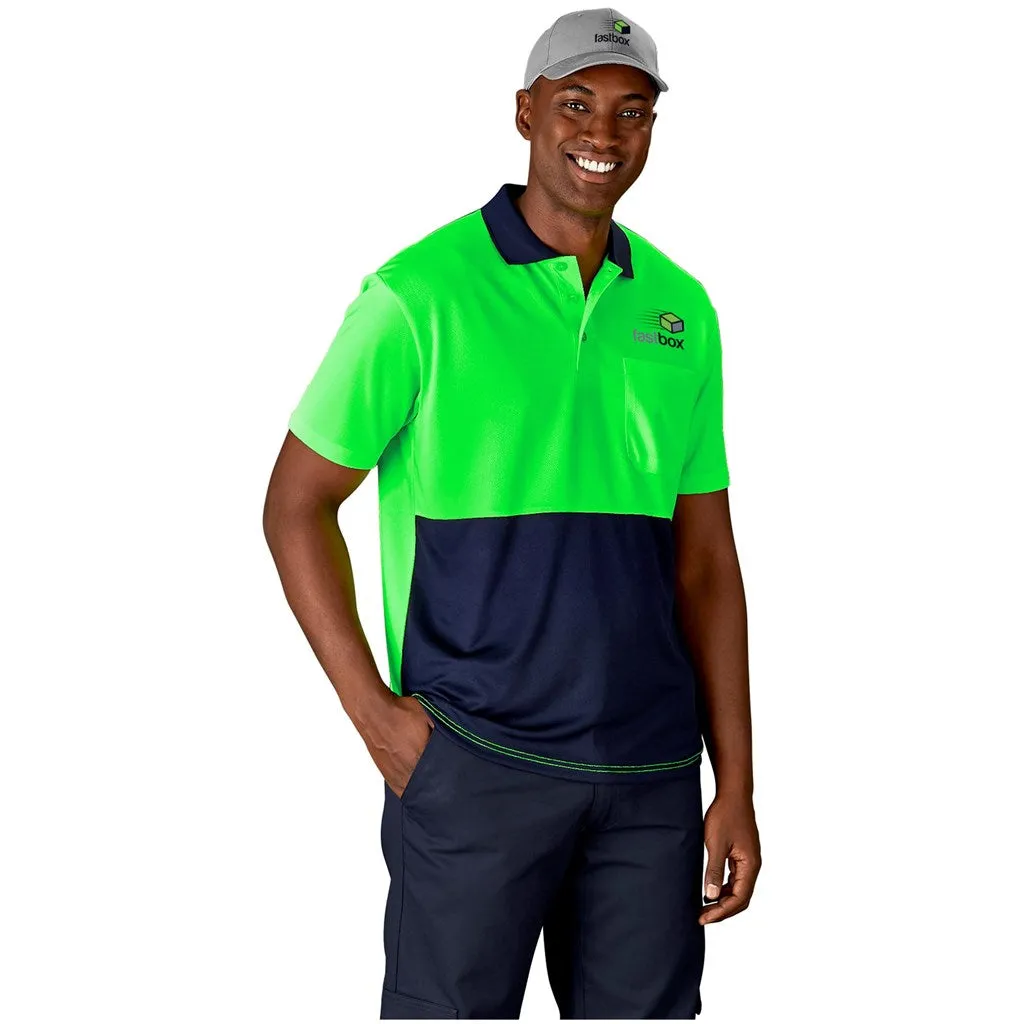
Ask team leaders where employees work and what tasks they perform. Identify the relevant site requirements and divide the workforce into practical groups. Some may need outer vests, others shirts and trousers, and some additional rainwear. Avoid assuming every employee needs the same garment because they work for the same company.
Collect a reliable size breakdown
Use the sizing information for the actual garments being considered. A label in one product may not fit exactly like the same label in another. Record sizes against garment names and quantities, and resolve uncertain sizes before approval. Where a sample is needed, include that step in the procurement timeline.
Standardise what is useful
Common colours, artwork and garment choices can simplify ordering, but do not standardise away a role’s practical needs. Decide which elements should be consistent across the company and which should vary by department or site. Keep a central record of approved products, artwork and order allocations for later replenishment.
Review the whole quotation
Check garment descriptions, quantities, sizes, branding and delivery details together. A low unit price does not explain the complete order if artwork, transport or different garment options remain unresolved. Ask for any missing details before approval. The quotation should give the procurement team a clear view of what will be supplied.
Explore all reflective clothing or send your requirements for a bulk quotation.